


Featured Articles
Articles




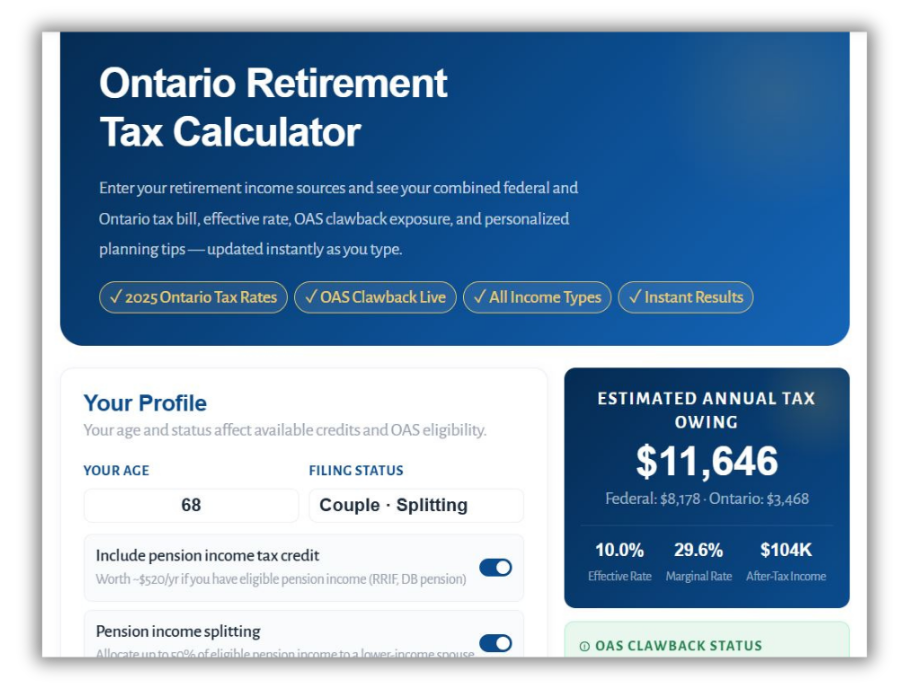
A spousal RRSP is one of Canada's most powerful — and most underused — tools for reducing retirement taxes. For couples heading into retirement with significantly different incomes, it offers the ability to shift future taxable income from the higher-earning spouse to the lower-earning one — permanently and legally.
Trusts are often associated with the ultra-wealthy or with overly complex tax schemes. In reality, trusts are practical, versatile, and widely used planning tools that offer meaningful benefits to a broad range of affluent Ontario families. For those with $1 million or more in assets, a trust may be one of the most powerful tools available for protecting, growing, and transferring wealth.
For decades, the conventional retirement portfolio consisted primarily of publicly traded stocks and bonds, the classic 60/40 allocation. This approach has served many investors well. But in an era of lower expected returns from traditional fixed income and growing awareness of alternative asset classes, more retirees are asking: is there a role for alternatives in a retirement portfolio?
For decades, the conventional retirement portfolio consisted primarily of publicly traded stocks and bonds, the classic 60/40 allocation. This approach has served many investors well. But in an era of lower expected returns from traditional fixed income and growing awareness of alternative asset classes, more retirees are asking: is there a role for alternatives in a retirement portfolio?
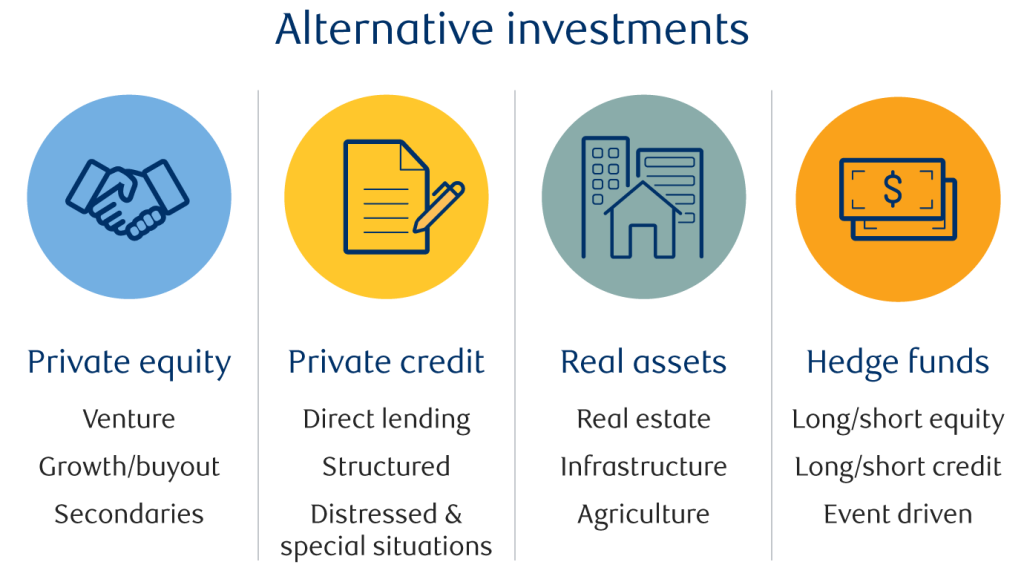
For decades, the conventional retirement portfolio consisted primarily of publicly traded stocks and bonds, the classic 60/40 allocation. This approach has served many investors well. But in an era of lower expected returns from traditional fixed income and growing awareness of alternative asset classes, more retirees are asking: is there a role for alternatives in a retirement portfolio?