

How to Use a Spousal RRSP to Slash Your Retirement Tax Bill
A spousal RRSP is one of Canada's most powerful — and most underused — tools for reducing retirement taxes. For couples heading into retirement with significantly different incomes, it offers the ability to shift future taxable income from the higher-earning spouse to the lower-earning one — permanently and legally.

Using Trusts to Protect Wealth Across Generations in Ontario
Trusts are often associated with the ultra-wealthy or with overly complex tax schemes. In reality, trusts are practical, versatile, and widely used planning tools that offer meaningful benefits to a broad range of affluent Ontario families. For those with $1 million or more in assets, a trust may be one of the most powerful tools available for protecting, growing, and transferring wealth.

Should You Pay Off Your Mortgage Before Retiring? A Canadian Perspective
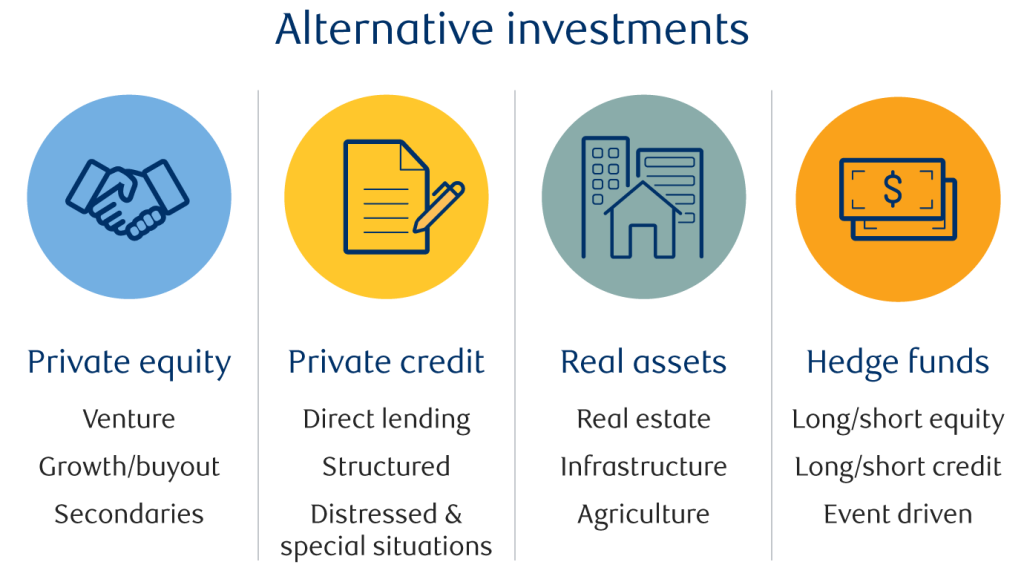
For decades, the conventional retirement portfolio consisted primarily of publicly traded stocks and bonds, the classic 60/40 allocation. This approach has served many investors well. But in an era of lower expected returns from traditional fixed income and growing awareness of alternative asset classes, more retirees are asking: is there a role for alternatives in a retirement portfolio?

Snowbird Planning: The Financial and Tax Implications of Wintering in the U.S.
For decades, the conventional retirement portfolio consisted primarily of publicly traded stocks and bonds, the classic 60/40 allocation. This approach has served many investors well. But in an era of lower expected returns from traditional fixed income and growing awareness of alternative asset classes, more retirees are asking: is there a role for alternatives in a retirement portfolio?
Alternative Investments: Should Retirees Look Beyond Stocks and Bonds?
For decades, the conventional retirement portfolio consisted primarily of publicly traded stocks and bonds, the classic 60/40 allocation. This approach has served many investors well. But in an era of lower expected returns from traditional fixed income and growing awareness of alternative asset classes, more retirees are asking: is there a role for alternatives in a retirement portfolio?

Selling Your Business and Retiring: How to Maximize the After-Tax Proceeds
For many Ontario business owners, their company is their largest single asset and their retirement plan. When the time comes to exit the business, the proceeds from the sale can fund decades of retirement. But the gap between a well-structured sale and a poorly planned one can be worth hundreds of thousands of dollars in taxes — sometimes more.
How to Recession-Proof a Retirement Portfolio Without Sacrificing Growth
The word 'recession-proofing' conjures images of moving everything into cash or government bonds — a strategy that feels safe but is often counterproductive for retirees with a 20–30 year time horizon. True portfolio resilience for a retiree is not about eliminating risk; it is about managing the right risks while maintaining the growth needed to sustain a multi-decade retirement.

How to Turn $1M+ Into a Reliable Retirement Paycheque in Ontario
You've spent decades building wealth. Now comes the question that keeps many pre-retirees up at night: how do I turn this lump sum into income I can actually live on — without running out of money?
Own-Occupation vs. Any-Occupation: The Fine Print That Decides Your Claim
If you only read one clause in a disability insurance policy before signing, this is the one. It determines whether you actually get paid when you file a claim, and it's the single biggest difference between a policy that protects you and one that just feels like it does.

Do You Still Need Life Insurance After 55?
If you're in your late 50s or 60s, the mortgage might be paid off, the kids are grown, and your net worth looks a lot different than it did at 35. So it's a fair question: does life insurance still make sense at this stage, or is it something you can let lapse?

Critical Illness vs. Disability Insurance: What's the Difference, and Do You Need Both?
These two products get confused constantly, partly because they both respond to health events, and partly because insurance companies don't always explain them side by side. Once you see them next to each other, the difference, and the case for having both, becomes obvious.

Critical Illness Insurance Explained: What It Covers and Who Actually Needs It
Critical illness insurance is one of the least understood products in the insurance world, largely because it doesn't fit neatly into "life insurance" or "disability insurance." It's its own thing, and for the right person, it fills a gap that neither of those products touch.

Disability Insurance 101: What Actually Happens If You Can't Work
Most people insure their car, their house, and their life. Far fewer insure their income, even though it's the asset funding everything else. If you're working and depending on a paycheque, disability insurance (sometimes called accident and sickness coverage) is protecting the thing that makes all your other financial plans possible.
Term vs. Permanent Life Insurance: Which One Fits Your Stage of Life
Every life insurance decision eventually comes down to this fork in the road: term or permanent. The insurance industry doesn't always explain the difference in a way that connects to your actual situation, so here's the plain version.

Income Splitting in Retirement: What Ontario Couples Need to Know
Legally shifting income from the higher-earning spouse to the lower-earning one, reducing the household's combined tax bill. For Ontario couples with $1M+ in retirement assets, income splitting is one of the most powerful and accessible tax planning tools available.

Understanding the Deemed Disposition Rule: Ontario's Hidden Estate Tax
For affluent Ontarians, understanding and planning for this rule is one of the most important elements of a comprehensive wealth plan. Failing to account for it can leave your estate and your beneficiaries, facing an unexpected and potentially enormous tax bill.
Capital Gains vs. Dividends vs. Interest: Which Income Is Best for Retirees?
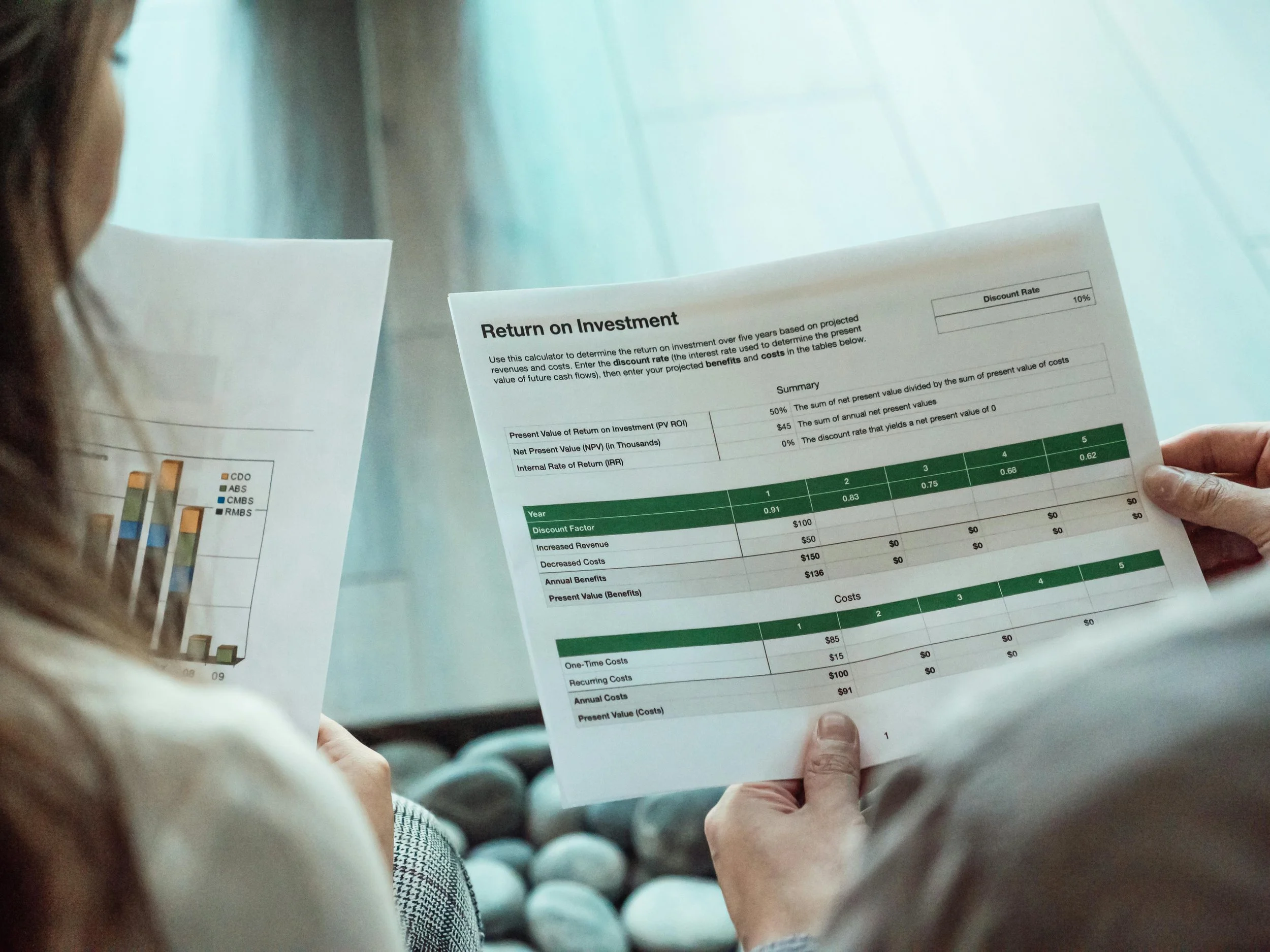
Not all investment income is created equal in the eyes of the CRA. A dollar of interest income, a dollar of eligible Canadian dividends, and a dollar of capital gains are taxed very differently. For retirees drawing from a significant portfolio, those differences add up to thousands of dollars every year.

The Financial Checklist Every Ontarian Should Complete Before Retiring
Whether your retirement is 2 years away or 10, this checklist will help you identify what's in order, what still needs attention, and what conversations to have with your advisor before you make the leap.

Planning for Long-Term Care Costs in Ontario: What $1M Doesn't Cover
Ontario's long-term care system has changed dramatically in recent years. Wait times are long, publicly funded options are limited, and the cost of private or semi-private care has escalated significantly. For those who want choice, comfort, and quality of care in their later years, the financial requirements can easily exceed $10,000 per month or more.

The Sequence-of-Returns Risk: The Biggest Threat to a New Retiree's Wealth
Imagine two retirees who both earn an average investment return of 6% per year over a 20-year retirement. Both start with $1 million. Both withdraw $60,000 per year. One runs out of money before the end of retirement; the other still has a significant balance. The difference? The order in which the returns arrived.